
Signs of a pest problem to check before you sign a Houston lease
By Apartment Locator · Updated 2026-07-02
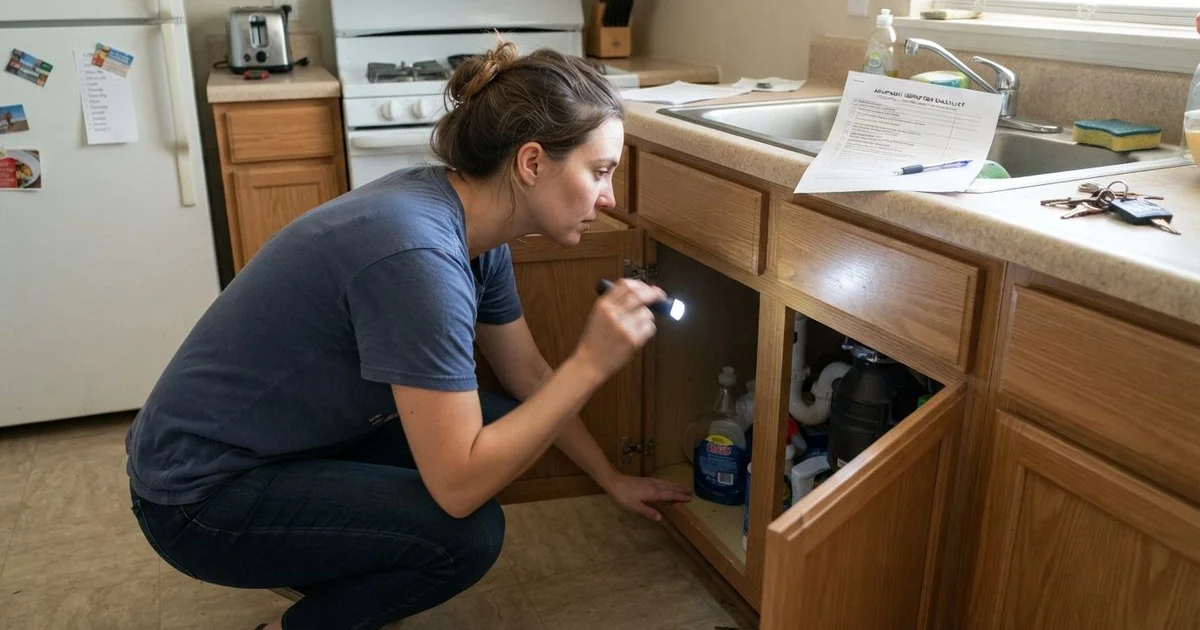
Houston’s warm, humid climate makes pest issues more common here than in a lot of other rental markets, and it shows up often enough in renter feedback that it’s worth checking for specifically during a tour, not just assuming a clean-looking model unit means the whole property is pest-free.
What to actually look for on a tour
- Small dark droppings along baseboards, under sinks, or in kitchen cabinets
- Grease marks or smudge trails along walls near floor level, a sign of recurring roach activity
- Standing water or damp spots near appliances, which attract pests even without visible activity
- Cracks or gaps around windows, doors, and utility entry points where pests get in from outside
- A chemical or musty smell in closets or under cabinets, sometimes a sign of recent pest treatment covering up an active problem
None of these alone means a property has a serious infestation. Together, or paired with a vague answer from the leasing agent, they’re worth pushing on further.
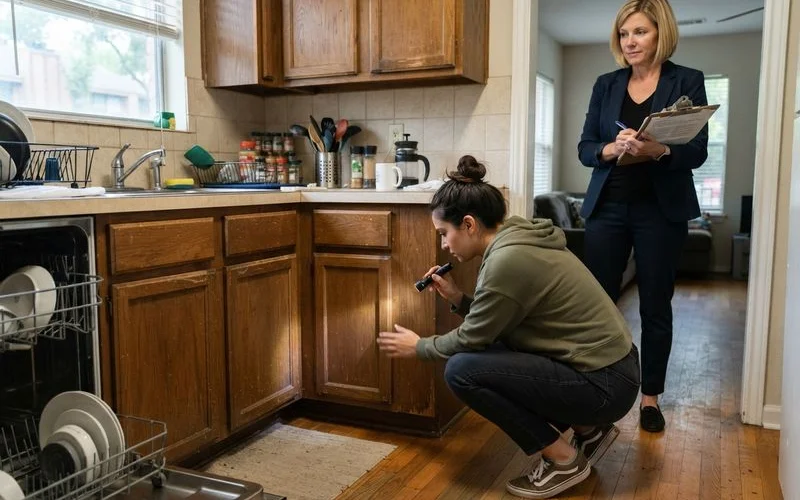
Questions worth asking directly
Ask the leasing office how often the property treats common areas and individual units, whether treatment is proactive or only in response to resident complaints, and how recently the specific unit you’re touring was last treated. A property with a clear, specific answer is a better sign than one that deflects to a general “we take care of it.”
Who’s responsible after you move in
Texas landlords are generally responsible for addressing pest problems that affect habitability, especially larger infestations tied to the building rather than one resident’s housekeeping. Report any issue in writing as soon as you notice it, keep copies, and give the property a reasonable window to respond before assuming you need to escalate.
What normal vs concerning looks like
| Signal | Usually normal | Worth investigating further |
|---|---|---|
| Occasional single bug sighting | Common in any warm climate | Not on its own a red flag |
| Recurring droppings or trails | Rare in a well-managed unit | Suggests an active, established problem |
| Vague answers about treatment schedule | A specific, ready answer | Property may not be proactive |
| Strong chemical smell in closets | Light, occasional treatment scent | Could mean recent heavy treatment for a real issue |
After you move in
Keep reporting anything you notice promptly rather than waiting to see if it resolves on its own, since a documented, timely report matters if the issue continues and you need to push for a real fix. A single early treatment is normal maintenance; a pattern of repeat visits without resolution is the signal that something structural, like a gap in the building envelope, needs addressing.
Reducing your own exposure day to day
Beyond what the property controls, simple habits reduce how likely you are to run into a pest issue in the first place. Keep food sealed and countertops wiped down, take trash out regularly rather than letting it sit, and check that door sweeps and window screens are intact, since gaps there are a common entry point regardless of how well the building overall is managed. If you notice a neighboring unit with a visible issue, mention it to the office, since pest problems in multi-unit buildings often spread between adjoining units if left untreated.
Ground floor vs upper floor considerations
Ground-floor units in Greater Houston’s climate tend to see more pest activity than upper floors, simply because of proximity to soil, landscaping, and moisture. That’s not a reason to rule out a ground-floor unit, but it’s worth asking the property directly whether ground-floor units get more frequent preventive treatment, since a well-run community often already accounts for this in its pest management schedule. Houston’s humidity and heavy rain also drive other maintenance issues worth watching for; our hurricane and flood season prep guide covers what else to check before storm season.
Checking a property’s broader pattern of resident feedback before you sign is one of the best ways to catch this ahead of time. The full Houston apartment directory surfaces recurring themes like this across real reviews, and our methodology explains how that sentiment factors into each community’s score.
FAQ
- Is pest control usually the landlord's responsibility in Texas?
- Generally, yes, for larger infestations affecting habitability, though the exact terms depend on your lease. Some properties handle common-area and building-wide treatment while asking residents to report unit-specific issues promptly.
- How common are pest complaints in Houston apartments?
- Houston's humid, warm climate makes it more pest-prone than a lot of other markets, and it's one of the more frequent complaint themes across renter reviews, which makes checking for it during a tour worth the extra few minutes.
- What should I do if I find evidence of pests on a tour?
- Ask the leasing agent directly about the community's pest control schedule and recent treatment history for that specific unit or building, rather than assuming it's an isolated issue.
- Can I break a lease over an unresolved pest problem?
- It depends on severity and whether the landlord was given proper notice and a reasonable chance to fix it. Document everything in writing and consider consulting a tenant rights resource if the problem persists after you've reported it.