
Hurricane and flood season prep for Houston apartment renters
By Apartment Locator · Updated 2026-07-04
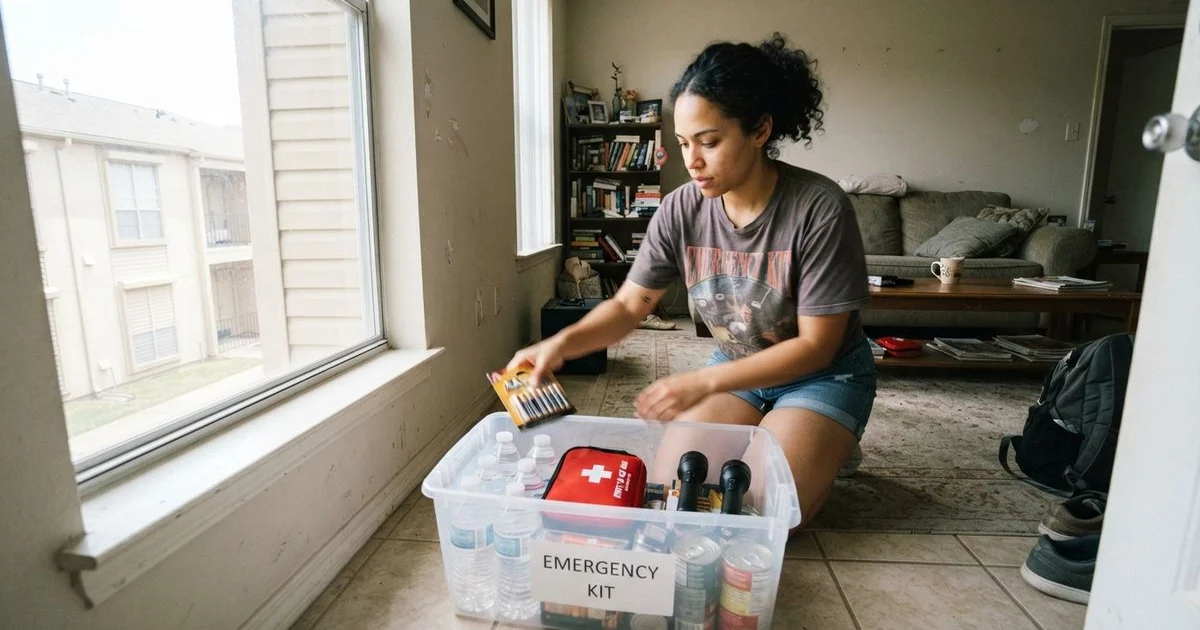
This is general preparedness information, not a substitute for official emergency guidance. Always follow instructions from local officials and the National Weather Service during an active storm.
Hurricane season is a real, recurring part of living in Greater Houston, and a little preparation before storms are actually forecast makes a much bigger difference than scrambling once one is a few days out.
Know your building’s actual risk
Check FEMA’s flood map for your building’s exact address rather than assuming a inland location means no risk, since Houston’s flat terrain and drainage patterns mean flooding isn’t limited to areas near bayous. Ask the leasing office directly whether the building, parking garage, or ground-floor units have flooded during past major storms. A property that answers this specifically and honestly is a good sign; one that deflects is worth a follow-up question.
What renters insurance does and doesn’t cover
A standard renters insurance policy typically covers wind and rain damage that enters through a storm-damaged window, door, or roof, along with power surge damage in some cases. It generally does not cover flood damage from rising water, which requires a separate flood insurance policy. If your unit is on a lower floor or in a building with a documented flood history, ask your insurance provider directly whether a flood policy makes sense for your situation.
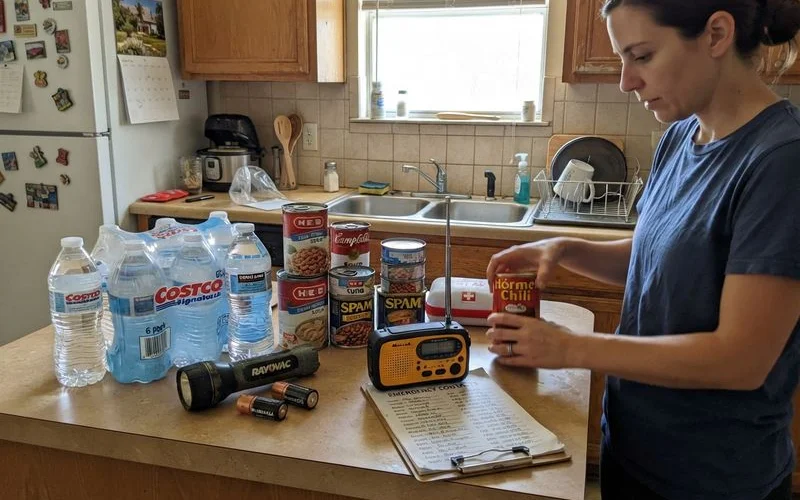
Building a basic kit before storm season starts
- Water and non-perishable food for at least several days
- Flashlight, batteries, and a portable phone charger
- Copies of your lease, ID, and insurance documents, stored somewhere waterproof
- Any regular medications, with a few extra days’ supply if possible
- A list of emergency contacts, including your property’s after-hours maintenance line
Questions to ask your property before hurricane season
| Question | Why it matters |
|---|---|
| Is parking in a flood-prone area? | Determines whether to move your car ahead of a storm |
| What’s the after-hours emergency contact? | Power and water issues often happen outside office hours |
| Has this building flooded before? | A direct signal of real risk, not just map data |
| Is there a generator for common areas or elevators? | Affects how livable the building is during extended outages |
In the days before a storm
Charge devices and portable chargers fully, fill your car’s gas tank, and move it to higher ground if your parking is at risk. Bring in or secure anything on a balcony or patio that could become a projectile in high wind. Follow official evacuation guidance if your area is included in one, rather than deciding based on how previous storms went, since paths and intensity vary storm to storm.
If you lose power for an extended period
Houston summers make an extended power outage genuinely uncomfortable, not just inconvenient, given how quickly indoor temperatures rise without air conditioning. Identify a backup plan ahead of time, a friend or family member outside the affected area, or a cooling center if local officials open one, rather than figuring it out once you’re already without power. Keep perishable food cold as long as possible by limiting how often the refrigerator door opens, and know where your unit’s circuit breaker is in case power returns with a surge.
Documenting damage after a storm
If your unit does sustain damage, photograph everything before you clean up or move anything, and report it to the property in writing the same day if possible. This protects you if there’s later a dispute over what caused specific damage or whether it was pre-existing. Keep a copy of your renters insurance policy and your property’s after-hours contact information somewhere accessible even without power, like saved on your phone and printed in your emergency kit. That same habit of documenting problems in writing right away applies to other maintenance issues too, like watching for signs of a pest problem that Houston’s humidity tends to bring out.
Preparation matters more than any single product on a checklist. Knowing your building’s specific risk and having a plan in place before a storm is named beats improvising once one is already in the forecast. If you’re still choosing where to live, the full Houston apartment directory and our methodology page can help you weigh a property’s track record, including how residents describe its handling of past severe weather.
FAQ
- Does a standard renters insurance policy cover flood damage?
- Usually not. Most standard renters insurance covers wind and rain damage that enters through a storm-damaged window or roof, but flood damage from rising water typically requires separate flood insurance.
- How do I find out if my building is in a flood zone?
- Check FEMA's flood map service using the property's exact address, and ask the leasing office directly whether the building or parking garage has flooded during past storms.
- What should be in an apartment hurricane kit?
- Water, non-perishable food, a flashlight, batteries, a portable phone charger, copies of important documents, and any medications, enough to get through several days without power or easy travel.
- Should I move my car before a storm?
- If your parking is in a garage or lot known to flood, moving your car to higher ground ahead of time, or asking the property about designated high-ground parking, is worth doing before a storm arrives, not during it.