
Moving to Houston for a new job: apartment hunting from out of state
By Apartment Locator · Updated 2026-07-12
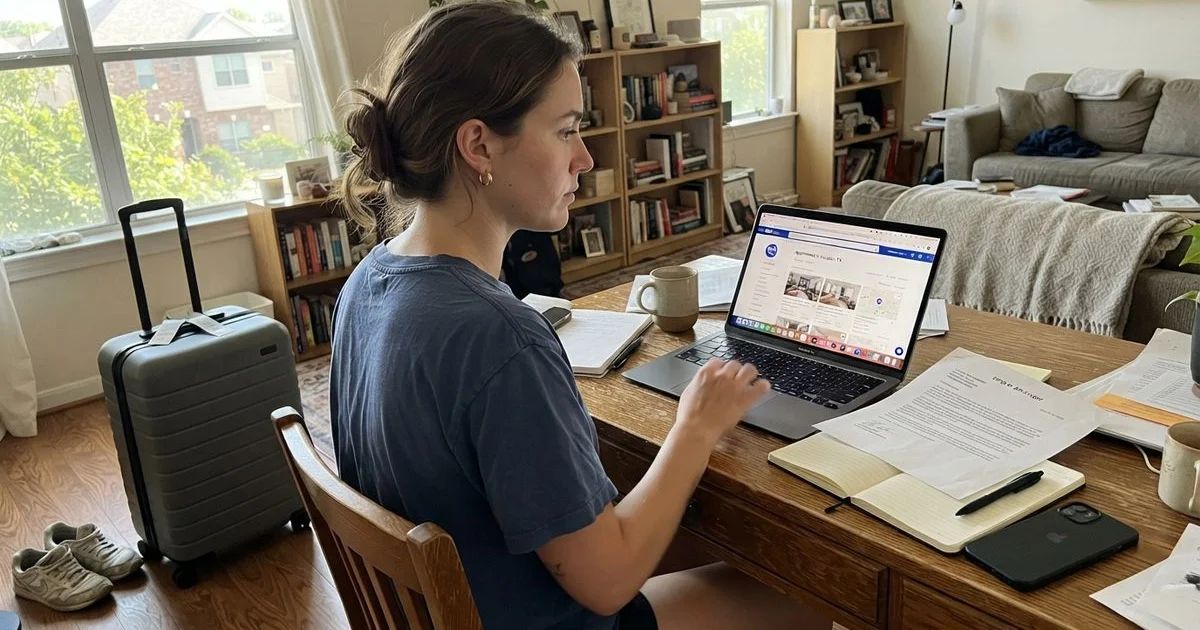
Relocating to Houston for a job often means signing a lease before you’ve ever set foot in the city, which raises the stakes on getting the search right the first time. Here’s how to do it without wasting your move on the wrong location.
Anchor your search to your commute first
Houston’s size and traffic patterns make commute distance a bigger day-to-day factor than in a lot of other metros. Before picking neighborhoods, map out realistic drive times from a few candidate areas to your new workplace at actual rush hour, not the optimistic estimate a map app gives for light traffic. This single step narrows the search faster than browsing by price alone.
What to ask for if you can’t tour in person
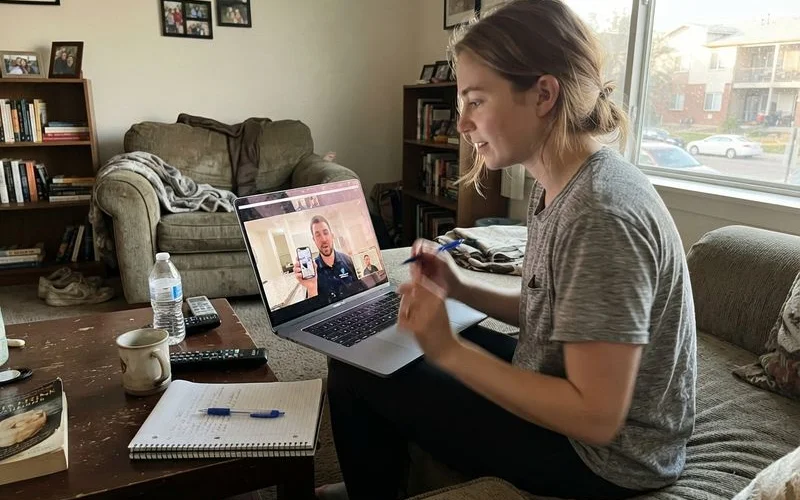
- A live video walkthrough of the specific available unit, not a model or stock photos
- Specifics on parking, including whether it’s covered, assigned, or first-come
- A description of nearby traffic patterns and typical commute times, not just distance in miles
- The building’s maintenance response time and how service requests get submitted remotely
- Confirmation of what’s included in the quoted rent versus billed separately
Consider a shorter first lease
If your company’s relocation package or your own budget allows it, a shorter first lease, even a few months longer than a standard term, gives you room to actually experience a neighborhood before committing to a full year somewhere you chose sight unseen. It costs more per month in some cases, but it reduces the risk of being stuck in a spot that doesn’t fit once you’ve lived there.
Comparing search approaches for an out-of-state move
| Approach | Best for | Tradeoff |
|---|---|---|
| Full remote sign, standard lease | Fast timelines, confident in research | Higher risk if the fit is wrong |
| Short-term or furnished lease first | Uncertain about neighborhoods long term | Costs more per month upfront |
| Quick scouting trip before signing | Flexible timeline, budget for travel | Requires extra time and travel cost |
Questions worth asking before you commit
Ask directly about the building’s parking situation, how mail and packages are handled if you’re not immediately reachable during the move, and whether the property has experience with corporate or out-of-state relocations, since that experience often means a smoother remote process. A leasing office used to this kind of move usually has clear, ready answers. If a pet is coming with you, folding pet-friendly verification into these same remote calls saves a second round of questions later.
Getting your paperwork in order remotely
Out-of-state applications usually need the same documentation as any other application, income verification, ID, and often a co-signer or additional deposit if you don’t yet have local rental history. Ask early what the property accepts for out-of-state income verification, since some properties are more flexible with recent job offer letters or relocation packages than others. Sort this out before you’ve mentally committed to a specific unit, so a paperwork snag doesn’t force a rushed decision on a backup option.
Planning for the actual move day
Coordinate your move-in date with your lease start date carefully, especially if movers or a moving container service is involved, since a mismatch between when you can access the unit and when your belongings arrive creates real logistical headaches. Ask the property about loading dock access, elevator reservations if it’s a high-rise, and any move-in fee or scheduling requirement well before your move date, not the week of.
Giving yourself a grace period
If your company’s relocation timeline allows any flexibility, build in a few extra days between your official start date and your lease start, so you have time to handle utilities, address changes, and general orientation to the city before work adds its own demands on your schedule. Arriving with even a short buffer makes both the move and the first week at a new job noticeably less stressful.
Doing your own research before you talk to any single leasing office helps you show up to those conversations with better questions. The full Houston apartment directory lets you compare communities by real resident feedback before you ever get on a call, and our methodology page explains exactly how that scoring works.
FAQ
- Can I actually sign a Houston lease without visiting in person?
- Yes, many properties handle remote applications and virtual tours regularly, especially for corporate relocations, though it's worth confirming a video walkthrough of the specific unit rather than relying only on marketing photos.
- How do I pick a neighborhood in Houston if I've never been?
- Anchor your search to your new commute first, then narrow by budget and lifestyle. Houston's traffic patterns make commute distance matter more than it might in a more compact city.
- Should I sign a short lease until I know the city better?
- It's a reasonable option if your company allows it or budget permits, since a shorter first lease reduces the risk of being locked into a neighborhood that doesn't end up fitting.
- What should I ask a leasing agent if I can't tour in person?
- Ask for a live video walkthrough of the actual available unit, not a model, plus specifics on parking, commute-relevant traffic patterns, and the building's maintenance response time.